The British fruit year does not begin in June with a punnet of strawberries. It starts in January, in the darkened sheds of the West Yorkshire rhubarb triangle, where sticks are pulled by candlelight because the plants respond to the warmth and the quiet. From there the calendar unfolds in a rough, reliable order that anyone with a garden, an allotment or a decent market stall can learn to read.
Dates shift. A cold spring can push everything back a fortnight; a mild one brings it forward. Geography matters too, with a garden in Cornwall running two or three weeks ahead of one in Aberdeenshire. Treat the months below as a guide and the fruit itself as the final word.
January to March: Forced Rhubarb and Stored Fruit
Forced rhubarb is the first proper treat of the year, pale pink and tender, and it arrives from late January. Outdoor rhubarb follows from April and will keep cropping until July if you stop pulling by midsummer and let the crowns recover.
Everything else on the plate at this time of year is stored, not picked. Late apples such as 'Bramley', 'Egremont Russet' and 'Ashmead's Kernel' hold their condition through the winter if they were picked and stored properly. Pears are trickier: 'Conference' ripens from the inside out, so test the flesh near the stalk with a gentle thumb rather than squeezing the middle.
Check stored fruit once a week and remove anything going over. A single rotting apple will spread trouble through a whole tray within days.
April and May: The First Fresh Fruit
Outdoor rhubarb gives you something to work with while everything else is still in flower. Gooseberries swell through May, and thinning them is worth the effort: pick a portion green in late May for jam and sharp sauces, then leave the rest to size up and sweeten for eating raw in June and July.
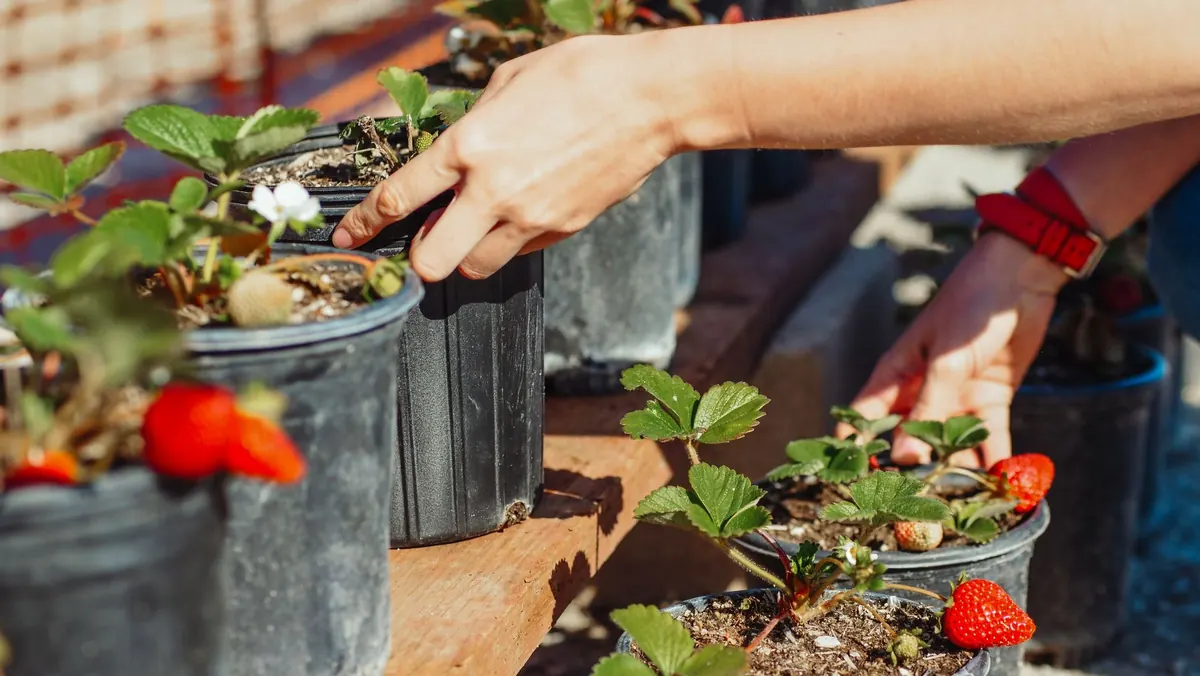
Early strawberries appear under cloches or polytunnels in late May, though the flavour of a tunnel-grown berry rarely matches one that has had full sun. If you grow your own, keep the plants well watered as the fruit swells. Dry roots at this stage give small, seedy berries.
June and July: Strawberries, Cherries and Soft Fruit
This is the busiest stretch of the year. Strawberries peak in June, with 'Elsanta' and 'Cambridge Favourite' doing the heavy lifting, followed by everbearers that crop on into September. Sweet cherries such as 'Stella' ripen in July, and morello cherries, the sour kind used for pies and liqueurs, come in around the same time.
Raspberries split into two camps: summer varieties like 'Glen Ample' fruit in July, while autumn types like 'Autumn Bliss' start in late August and carry on until the first hard frost. Blackcurrants, redcurrants, whitecurrants and jostaberries all ripen in July, and blackcurrants in particular are far better picked when fully dark and left on the bush an extra few days than when they still taste sharp.
Ripeness is easier to judge than it looks. Watch for these signs:
- The fruit comes away with a light tug. If you have to pull hard, it is not ready.
- Colour deepens and evens out, with no pale patch around the stalk.
- You can smell the crop before you reach the bush.
- Cut an apple or pear open and the pips have turned dark brown.
- Stone fruit gives slightly under the thumb and the stone loosens.
Pick in the cool of the morning if you can. Fruit picked in the heat of the afternoon softens far more quickly, and raspberries in particular will not wait.
August: Plums, Greengages and Early Apples
'Victoria' plums often start in mid-August and crop heavily, so heavy that branches sometimes need propping. Greengages, especially 'Cambridge Gage', ripen around the same time and are worth growing for flavour alone. Damsons arrive late in the month and are best kept for gin, jam and slow-cooked puddings rather than eating from the hand.
Hedgerow blackberries begin in August and continue into September. Early apples such as 'Discovery', 'Katy' and 'Worcester Pearmain' ripen now, and they do not store: eat them within a week or two of picking. Windfalls appearing under a tree are a fair sign the rest are ready.
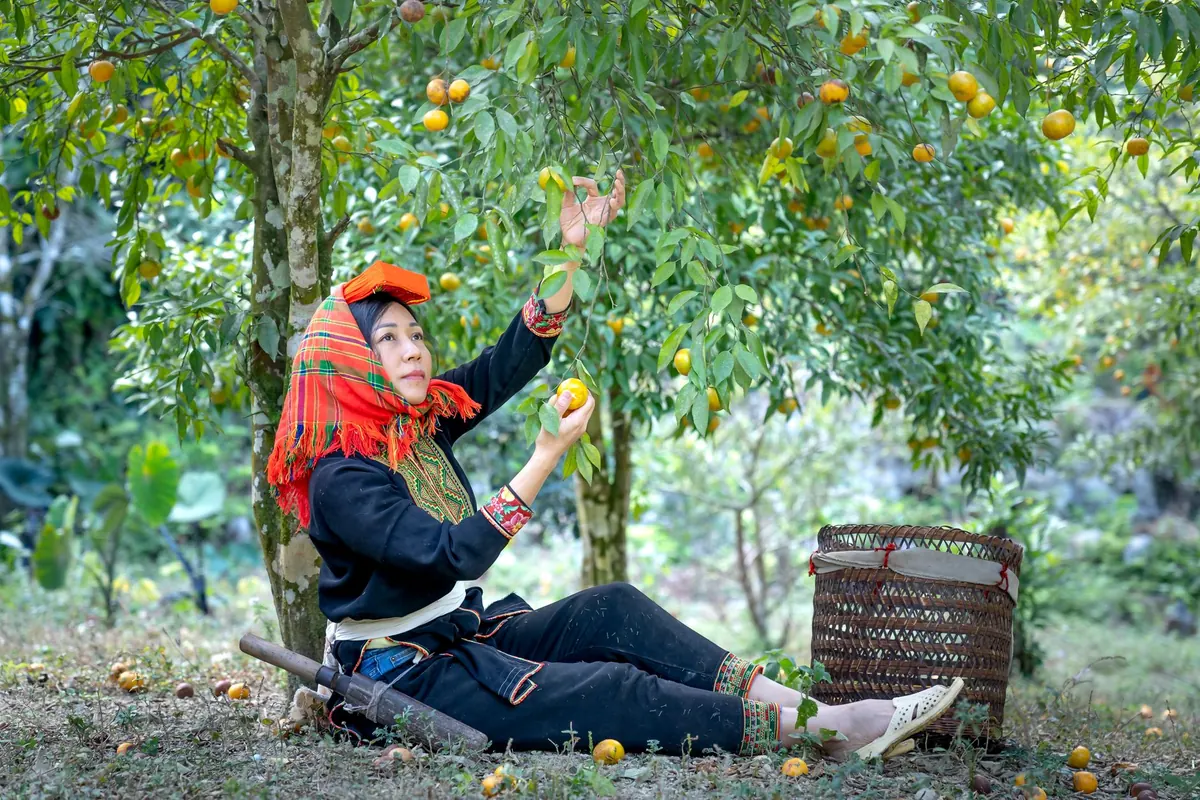
To pick an apple, cup it in your palm and lift with a slight twist. If the spur comes away with it, you are a few days early.
September and October: The Main Harvest
This is the heart of the British fruit year. 'Cox's Orange Pippin' is usually ready in late September, followed in October by 'Egremont Russet', 'Bramley' and the later russets. Pears ripen through the same weeks, and quince, that hard, aromatic fruit with the fuzzy skin, is picked in October. Handle quince gently: every knock turns the flesh brown.
Medlars need a spell of cold before they are edible and are usually left on the tree until after the first frost, then bletted indoors until the flesh softens and turns brown. Sloes for gin are traditionally picked after a frost, though a night in the freezer does the same job.
For storing, only perfect fruit is worth the space:
- Choose unblemished fruit with the stalk intact.
- Wrap each apple in newspaper or set them in single layers on slatted trays so air can move.
- Keep them cool, dark, frost-free and slightly humid, away from other produce.
- Check the trays weekly and remove anything soft or rotting.
Early varieties will not keep no matter how carefully you store them. Leave long keeping to the late apples and pears.
November and December: Late Keepers and the Store Cupboard
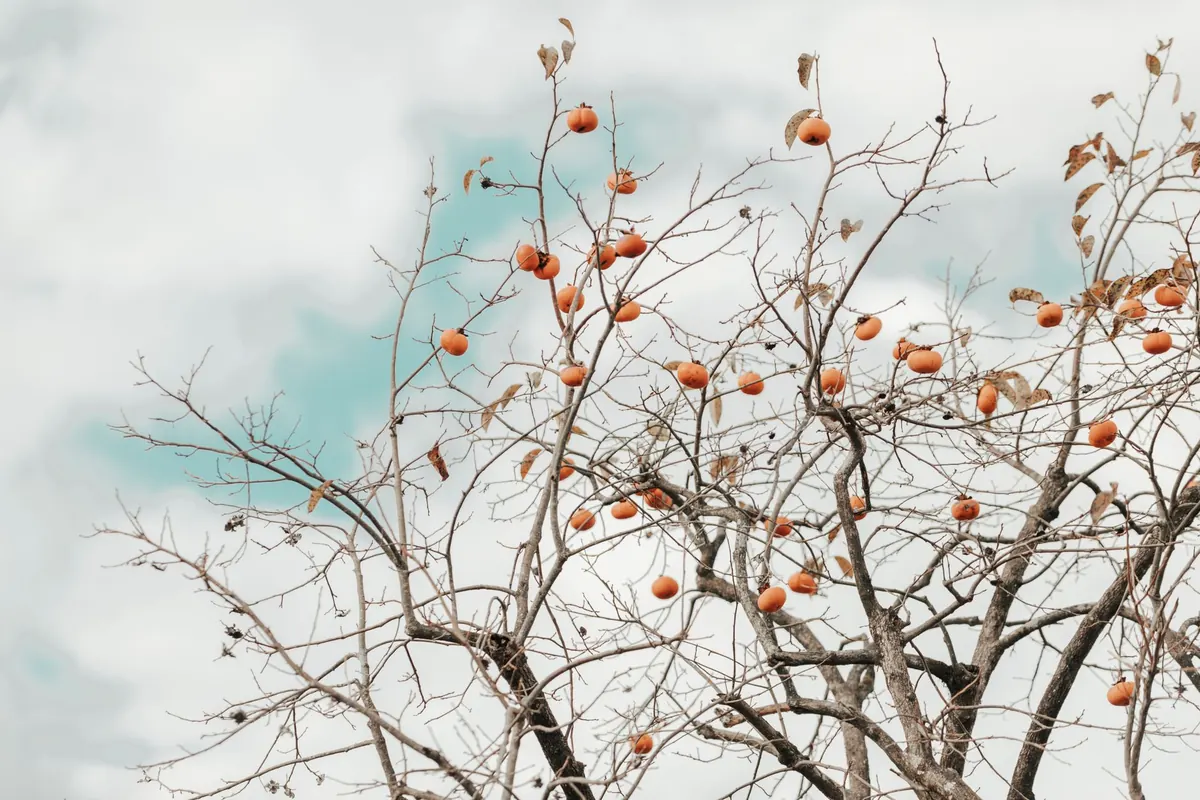
Fresh picking tails off, but the late keepers come into their own: 'D'Arcy Spice', 'Newton Wonder' and 'Ashmead's Kernel' will hold into the new year. Quince and medlars are still on the tree for anyone who has not got round to them. Sloes and crab apples are there for the taking if you have permission and know your ground.
If you grow fruit, this is the season for planting bare-root trees. They establish far better than potted stock planted in spring, and the choice of varieties is at its widest.
Getting the Most from the Calendar
Judge by the fruit, not the date. A label or a row of numbers will never tell you as much as a gentle tug, a smell or a taste.
Buy in shallow containers and do not pile soft fruit deep, or the bottom layer will bruise before you get it home. At a market, ask to try before you commit; a good grower will not mind. For pick-your-own, ring ahead, because crops vary hugely from week to week and year to year.
Freeze any surplus in a single layer on a tray first, then bag it, so the berries stay loose rather than freezing into a solid block. For hedgerow foraging, stick to places where you have permission, avoid busy road verges that may have been sprayed, and never eat anything you cannot identify with certainty.
Finally, keep a notebook. Write down what you picked and when, year after year. Within three seasons you will have a calendar that is genuinely yours, tuned to your soil, your shelter and your particular corner of the country, and it will beat any general guide, including this one.
Photo: Quang Nguyen Vinh / Pexels