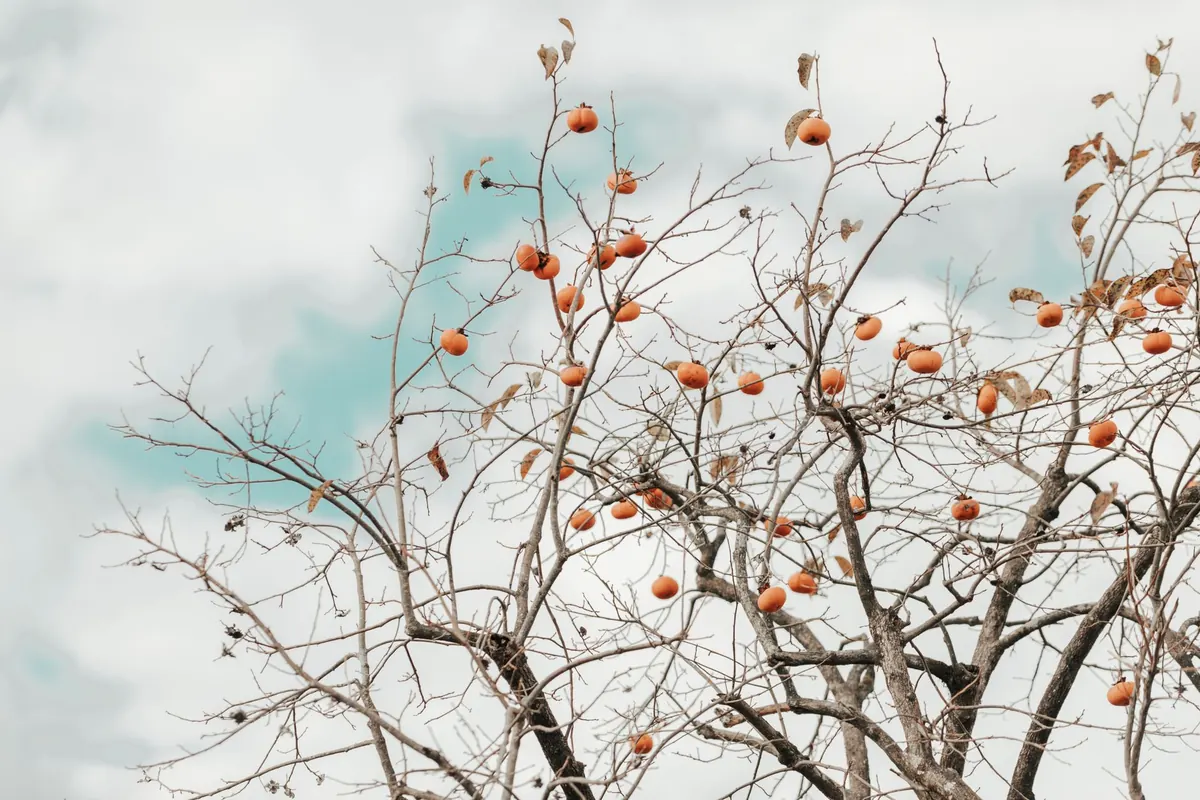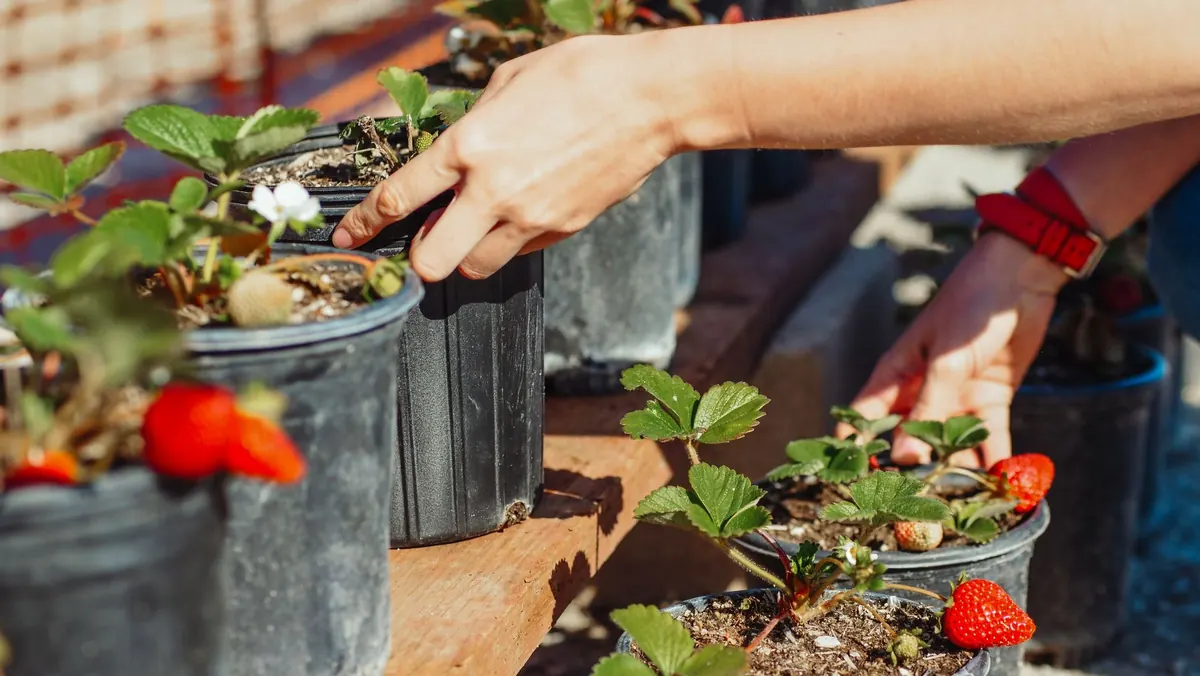
Put a hard pear on the kitchen windowsill and it can sit there for a week, then collapse into mush in a single afternoon. Put the same pear in the garage and it may ripen slowly, evenly, and be ready on Thursday. Where you keep fruit is one of the few variables you genuinely control, and in a British home the options differ far more than most people assume.
One thing worth clearing up first: light does almost nothing. Ripening is driven by temperature, humidity and airflow. A dark cupboard can easily beat a sunny sill.
What Ripening Fruit Actually Wants
Most fruit ripens comfortably somewhere between 18°C and 24°C. Below roughly 12°C the process slows sharply; below about 7°C it can stop altogether and some fruit — bananas, avocados, peaches — suffers chilling damage that shows up later as blackened skin or mealy, flavourless flesh. Tomatoes are the classic example: chilled below about 10°C they lose aroma compounds they never get back, which is why the fridge is a poor home for a half-ripe one.
Humidity matters almost as much. Too dry and fruit shrivels at the shoulders and stem. Too damp and mould wins the race. British homes usually sit somewhere around 40–60% relative humidity, garages tend to run damper, and sheds are damper still. Airflow keeps mould spores from settling, but a draught will dry fruit out. The sweet spot is gentle movement, not a gale.
Then there is ethylene, the gas fruit releases as it ripens. Apples, pears, bananas, avocados, tomatoes and melons are generous producers. That is why one ripe banana in a paper bag will pull a rock-hard avocado along with it — and why a bowl of apples will soften the broccoli beside it.
The Kitchen: Warm, Convenient, Occasionally Too Humid
The kitchen is usually the warmest room in the house, often holding 18–22°C through the day, which makes it the default ripening room for most of the year. It has one drawback: kettles, pans and washing up push humidity up in bursts, and the back of a fridge throws out warm, dry air that will wrinkle a tomato overnight.
The best spots in a kitchen
- A bowl or tray on a counter away from the window, the cooker and the fridge's rear grille.
- A high shelf, where warm air collects — good for bananas and avocados in winter.
- An open paper bag on the worktop when you want to speed things up.
- Never directly above a toaster, microwave or radiator: too hot, too dry, too fast.
Keep fruit in a single layer where you can. Stacked fruit traps moisture and heat in the middle of the pile, and that is where mould starts.
The Garage: The Steady Middle Ground
An attached garage is the most underrated ripening space in a British house. It sits cooler than the kitchen — often 10–16°C in spring and autumn — and its temperature barely moves between day and night. That steadiness is exactly what you want when fruit is nearly ready and you would like a day or two more before it peaks.
It is also the right place for a glut. Apples and pears heading for storage, late-season tomatoes, a tray of windfall fruit: a cool garage slows everything down without stopping it. Two cautions. A detached garage with a metal door can swing wildly between a sunny afternoon and a frosty night, so keep fruit off the floor and away from the door. And never store fruit near petrol cans, paint, solvents or mower fuel — fruit absorbs those smells and will taste of them.
The Shed: The Most Variable Room on the Property
A shed is the gamble. Unheated, often uninsulated and usually damper than any other space, it can hit 25°C on a sunny September afternoon and drop close to freezing by November. Condensation forms on surfaces overnight, and mould follows. Soft fruit like peaches, berries and ripe mangoes have no business there.
Where a shed earns its keep is the end of the season: green tomatoes laid out in newspaper trays, or hard apples and pears that need to sit somewhere cool and be checked weekly. Use it for hardy, unripe fruit and short spells only. Anything that would bruise or rot quickly is better off indoors.
Room by Room, Season by Season
Spring and early summer
Houses are still cool and central heating is often off, so ripening is slow. The kitchen counter is your best bet, ideally a warm shelf. Stone fruit and avocados will benefit from a paper bag for a day or two, then move them out once they give slightly at the stem.
High summer
Kitchens can push past 25°C, and fruit ripens faster than you can eat it. Shift bowls to the coolest room in the house — often a north-facing one — or to the garage overnight. Check twice a day; peaches and bananas can move from perfect to overripe in hours.
Autumn
This is the garage's season. Use it to hold apples, pears and quince, and for the last tomatoes. A shed works for green tomatoes in single layers, wrapped in newspaper, checked every few days for the first sign of rot.
Winter
Back to the kitchen. Central heating makes indoor air dry, so fruit loses water quickly; keep bowls away from radiators and out of draughts. Bananas near a radiator will blacken on the outside while staying hard within.
A Quick Reference: Where to Put What
- Ripening fast: bananas, avocados, peaches, nectarines — kitchen counter, paper bag, away from direct heat.
- Ripening slowly: pears, kiwi, mangoes — garage or a cool kitchen corner.
- Holding a glut: apples, pears, quince, green tomatoes — garage, or shed in cool weather.
- Already ripe: most soft fruit, plus cut fruit — the fridge, in a lidded container.
- Never together: ethylene producers beside leafy greens, cucumbers or berries you want to keep firm.
Set Up Your Ripening Spot in Three Minutes
Pick your spot, then test it before trusting it with a week's fruit. A cheap thermometer left in place overnight tells you more than any rule of thumb. Look for condensation on the inside of a window or on a metal shelf — that means damp, and damp means rot. Check for draughts from doors and vents, and for heat from appliances or a south-facing window.
Then keep it tidy: single layers, a little space between fruit, and a weekly sort so anything turning goes first. Rot spreads by contact, so one soft pear can take a whole bowl with it.
If you find mould on soft fruit, bin the affected pieces rather than trimming around them — mould on soft produce can spread further than the visible patch. And if you are preserving, bottling or storing fruit for others, follow a tested recipe or take proper advice rather than improvising.
Get the spot right and the fruit does the rest. Ripening is mostly a matter of giving it a steady, appropriate place to sit — and then leaving it alone.
Photo: shadowfirearts / Pixabay