You’ve nursed your tomato plants since spring. They’re heavy with fruit, but the fruits stay stubbornly green. It happens to most growers, even experienced ones. The good news is that ripening is rarely a mystery. A few common mistakes can stall the process, and each one has a straightforward fix. Here are seven to check before you reach for the frying pan.
Mistake 1: Letting temperatures swing too far
Tomatoes ripen best when the temperature stays between 20°C and 25°C. When nights drop below 10°C, the enzymes that create lycopene – the pigment behind red skin – slow down. Hot days above 30°C can also put ripening on hold. A sudden cold snap in late August is often all it takes to leave you with a greenhouse full of hard green fruit.
Fix: Protect plants from cold nights with fleece, cloches or by moving pots into a greenhouse or porch. Vent greenhouses on hot days to avoid overheating. If you’re growing outdoors, a south-facing wall or a light-coloured pot that warms up quickly can make a real difference.
Mistake 2: Overwatering
Tomatoes don’t like wet feet. Constant saturation drowns roots, limits nutrient uptake and dilutes the sugars that make fruit taste good. It also encourages blossom end rot and splitting. If your soil is soggy, the plant puts energy into survival rather than ripening. You may see yellowing lower leaves, wilting despite damp soil, or fruit that stays small and pale.
Fix: Water deeply but less often. Aim for a good soak every two or three days in warm weather, letting the top few centimetres of soil dry out in between. Mulch with compost or straw to hold moisture evenly. In pots, check drainage holes and empty saucers after heavy rain.
Mistake 3: Too much nitrogen
Nitrogen grows leaves, not fruit. If you’ve been feeding a general-purpose fertiliser or adding fresh manure, you may have a jungle of green growth with few flowers. The plant keeps making stems instead of ripening what’s there. Excess nitrogen also makes fruit more prone to disease.
Fix: Switch to a tomato feed high in potassium (potash) once the first truss has set. Comfrey tea, wood ash or a dedicated tomato fertiliser will encourage flowers and fruit rather than foliage. Stop feeding altogether if the plant is already lush and dark green.
Mistake 4: Not enough sunlight
Tomatoes need at least six to eight hours of direct sun. If they’re shaded by a fence, tree or overgrown neighbouring plants, ripening will be slow and uneven. In a greenhouse, dirty glass or crowding can cut light levels by half without you realising.
Fix: Prune back overhanging branches, clean greenhouse glass in late summer, and move pots to the sunniest spot you have. A white wall or reflective surface behind plants bounces extra light onto the fruit. Even a few extra hours of evening sun can speed things up.
Mistake 5: Overcrowding and poor airflow
Dense foliage might look healthy, but it shades fruit and traps moisture. That slows ripening and invites blight. Cordon varieties need regular side-shoot removal. Bush types benefit from a light trim. Without airflow, fungal diseases take hold and you can lose the whole crop before a single tomato turns red.
Fix: Remove lower leaves that sit below the first truss. Pinch out side shoots on cordon tomatoes weekly. Space plants at least 45cm apart. Stake or string them upwards so fruit hangs free. Good airflow also helps pollinate flowers earlier in the season.
Mistake 6: Picking too early – or leaving them too long
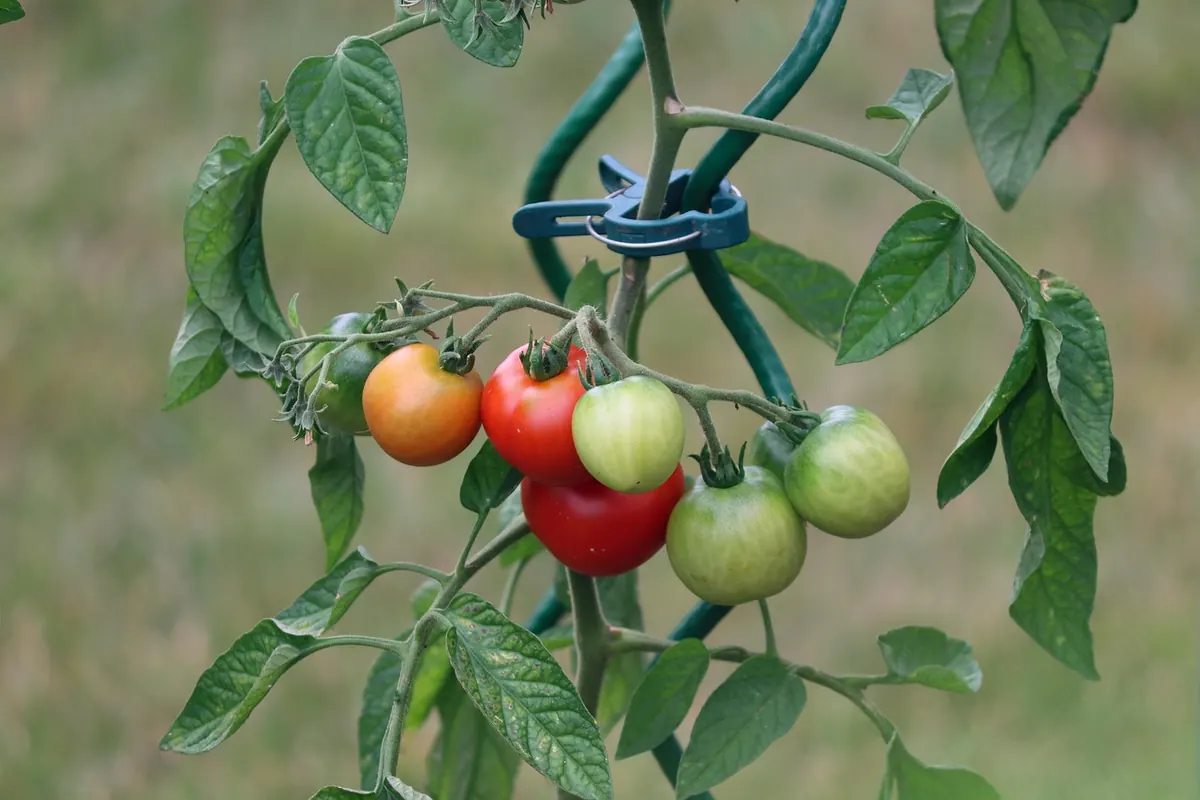
Some gardeners pick green tomatoes hoping they’ll ripen on the windowsill. Sometimes they do, but flavour suffers. Others leave fruit on the plant until it’s soft, which risks splitting or rot. The sweet spot is when the tomato starts to change colour – a pale green or a faint blush. At that point it’s mature enough to ripen off the vine.
Fix: Pick fruit as soon as it shows colour and let it finish indoors. If you leave it on the plant, check daily and remove any that soften too much. Remember that some varieties, such as ‘Green Zebra’, are meant to be green – they’re ripe when they feel slightly soft and give off a sweet scent.
Mistake 7: Choosing the wrong variety or starting too late
If you’re growing a beefsteak in a short-season climate, or you sowed seeds in June, you may simply run out of warm days. Determinate varieties ripen over a short window; indeterminate types keep going until frost. A late start means fruit that never gets the chance to mature.
Fix: For next year, choose early-maturing varieties suited to your area. Sow indoors in good time – usually six to eight weeks before the last frost. This season, focus on ripening what you have rather than waiting for a miracle.
Ripening tricks that actually work
If frost is forecast and your tomatoes are still green, don’t panic. You can ripen them indoors or turn them into chutney. For indoor ripening, follow this method:
- Pick fruit that is full size and starting to lighten.
- Remove stems and check for blemishes.
- Place in a single layer in a cardboard box or paper bag.
- Add a ripe apple or banana to release ethylene, which speeds ripening.
- Keep at room temperature, out of direct sun, and check daily.
Never refrigerate tomatoes – cold destroys flavour and stops ripening. If you have a glut, green tomato chutney is a classic use. And remember, a little patience and a few small adjustments will often turn a stalled crop into a bowl of red fruit before the first frost arrives.
Photo: manfredrichter / Pixabay