You have probably done it already without knowing why it works. A hard avocado goes into a paper bag with a ripe banana, and two days later it is ready to eat. The bag did nothing on its own. The banana did the work, and the tool it used was a gas you cannot see or smell.
That gas is ethylene, and it is the closest thing fruit has to a ripening switch. Understand it and a lot of kitchen confusion disappears: why apples make everything nearby go soft, why strawberries never improve after you buy them, why the fridge helps some things and ruins others.
What ethylene actually is
Ethylene is a simple hydrocarbon gas released by plants as a hormone. In fruit it triggers a chain of changes: starches break down into sugars, acids drop away, cell walls soften, and pigments shift from green to yellow, orange or red. Aroma compounds develop too, which is why a ripe peach smells like a ripe peach.
What matters in a kitchen is that ethylene is airborne. It drifts from fruit to fruit, and because it is a signal rather than a nutrient, only a tiny amount is needed to start the process. A single ripe apple in a bowl can nudge the whole bowl along. This is also why commercial growers use controlled ethylene to ripen bananas and tomatoes in special rooms, so a shop can sell fruit that travelled green and firm.
Ethylene does not ripen fruit so much as tell it to ripen itself.
The two ripening teams: climacteric and non-climacteric
Horticulturists split fruit into two groups, and the distinction is the single most useful thing to know when you are standing in a kitchen wondering whether to wait or eat now.
Climacteric fruit keeps ripening after picking. Its ethylene production rises sharply as it matures, and a burst of the gas pushes it through to full ripeness. Give it ethylene and it speeds up; keep it cool and well ventilated and it slows down. Bananas, avocados, tomatoes, apples, pears, mangoes, peaches, plums, nectarines, apricots, kiwis, figs and melons are all in this group.
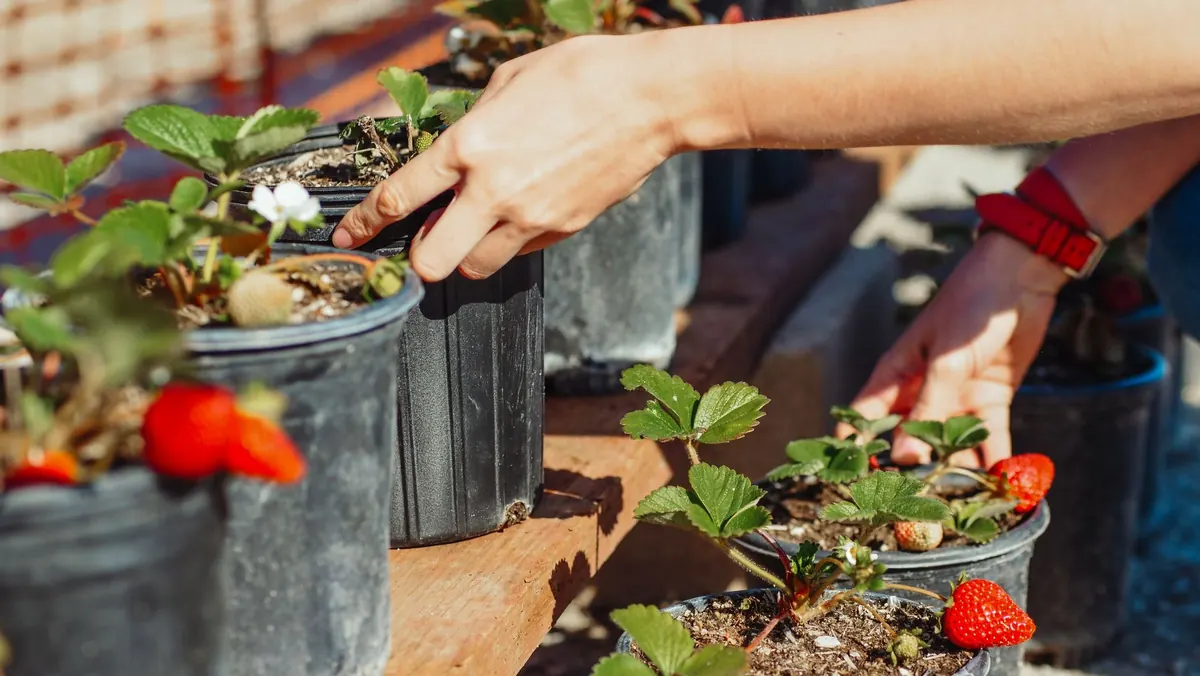
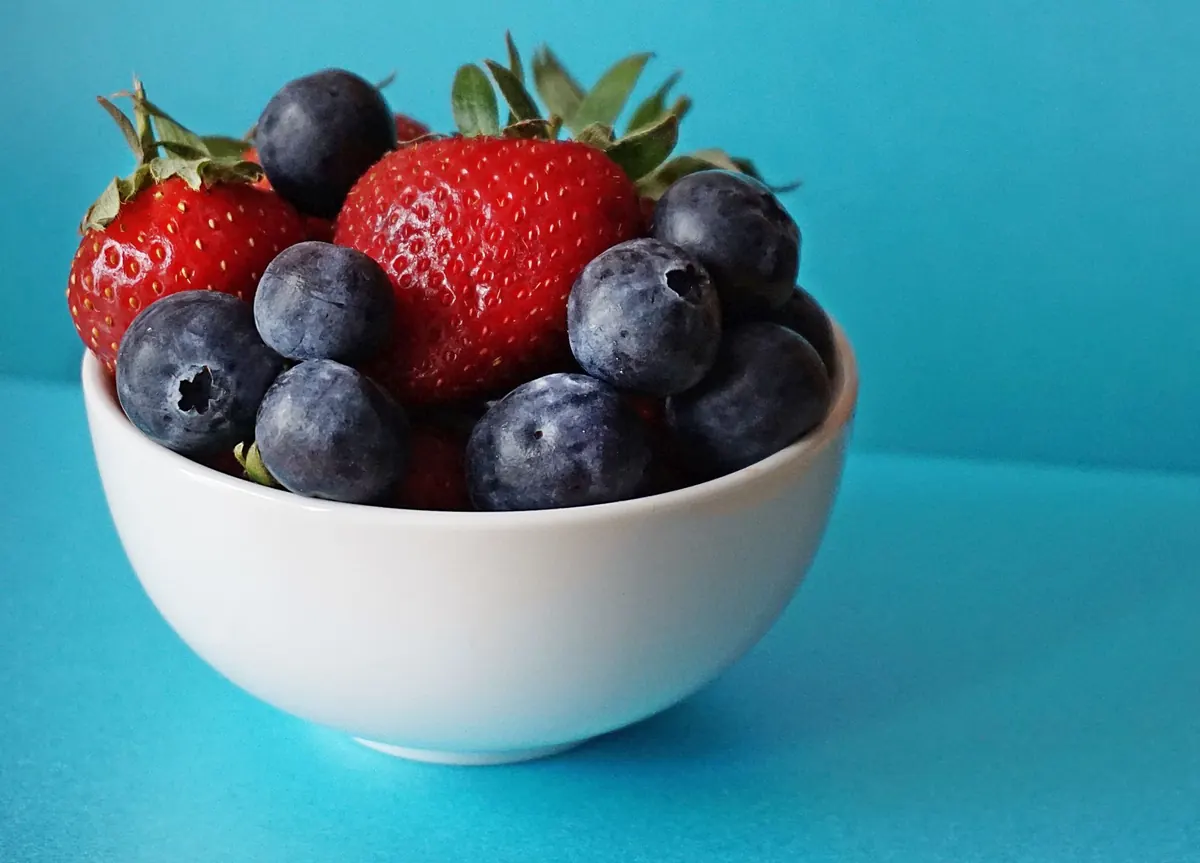
Non-climacteric fruit ripens on the plant and then stops. Once picked, it will soften and eventually rot, but it will not get sweeter or more aromatic. If you buy a disappointing punnet of strawberries, no amount of clever storage will fix it — the sugar was fixed at harvest. This group includes:
- Strawberries, raspberries, blackberries and blueberries
- Cherries and grapes
- Citrus fruit — oranges, lemons, limes, grapefruit
- Pineapple, watermelon and pomegranate
- Most vegetables, including peppers, cucumbers and aubergines
Which fruits pump out the most ethylene
Producers vary enormously. The heavy hitters are apples, pears, bananas, avocados, ripe tomatoes, melons, stone fruit and figs. Apples and pears are especially generous, which is why a bowl of apples left next to a bunch of bananas will have those bananas speckled brown a day earlier than expected.
Ripeness matters as much as type. A green banana releases very little; a ripe one is a small ethylene factory. If you want to speed something up, always use fruit that is already ripe, not fruit you are hoping will ripen.
Which produce is most sensitive to ethylene
On the receiving end are the things you want to keep crisp and green. Ethylene tells leafy tissue to age, so lettuces yellow, broccoli buds open, cucumbers soften and asparagus goes limp. If you have ever found your greens tired two days after a shop, a ripe banana in the same bag is a likely culprit.
Watch out for:
- Salad leaves, spinach, kale and herbs
- Broccoli, cauliflower, cabbage and sprouts
- Cucumber, courgette, green beans and asparagus
- Carrots and other root vegetables, which turn bitter
- Potatoes, which sprout sooner
Keep these well away from the fruit bowl, and ideally in a separate compartment or drawer.
Speeding ripening up: the paper bag method
Trapping ethylene around a piece of fruit concentrates it, which is why a paper bag beats an open bowl. Paper is the right choice because it holds gas while letting a little moisture escape; plastic seals in damp and invites mould.
- Choose a climacteric fruit that needs help — an avocado, pear, peach, mango or green banana.
- Add one already-ripe partner: a banana, an apple or a ripe pear.
- Fold the top of the bag loosely. No need to seal it tightly.
- Leave it at room temperature, out of direct sun, and check morning and evening.
- Remove the fruit the moment it feels right. Ripening does not reverse.
Hard avocados typically take one to three days this way. Pears and peaches can move faster, sometimes within a day, so do not forget them. Warmth accelerates the process and cold slows it, so a cool larder gives you more control than a warm windowsill.
Slowing ripening down: storage that works
Cold reduces both ethylene production and how strongly tissue responds to it. For most ripe climacteric fruit, the fridge is the right move once it has reached the stage you want — an avocado will hold for several days, and ripe pears keep far longer than they would on the counter.
There are exceptions worth knowing. Bananas and tomatoes lose texture and flavour in the cold, and their skins blacken, so leave them out. Basil dislikes the fridge too. Keep fruit and vegetables apart, use the salad drawer for the ethylene-sensitive items, and if you buy a lot of apples or pears, a ventilated bowl rather than a sealed container stops the gas building up around everything else.
Reusable ethylene-absorbing sachets, sold for fridge drawers, can help in a crowded fridge. They are a support act, not a fix — separation and temperature do most of the work.
A simple routine to put this into practice
Sort your shopping into two piles when you unpack it. Anything climacteric that is still firm goes on the counter, away from the greens: avocados, pears, peaches, plums, mangoes, tomatoes. Anything non-climacteric, plus all your leafy and crunchy vegetables, goes straight into the fridge.
Then set one habit: check the counter each morning. Move anything ripe into the fridge, and if you want to hurry something along, bag it with a ripe banana and look again in the evening. Cut the fruit open only when it gives slightly at the stem end or yields to gentle pressure, not when the clock says so.
None of this needs equipment or expense. It is mostly a matter of knowing which fruits are talking, which ones are listening, and keeping the loud ones away from the fragile ones.
Photo: Suzy Hazelwood / Pexels